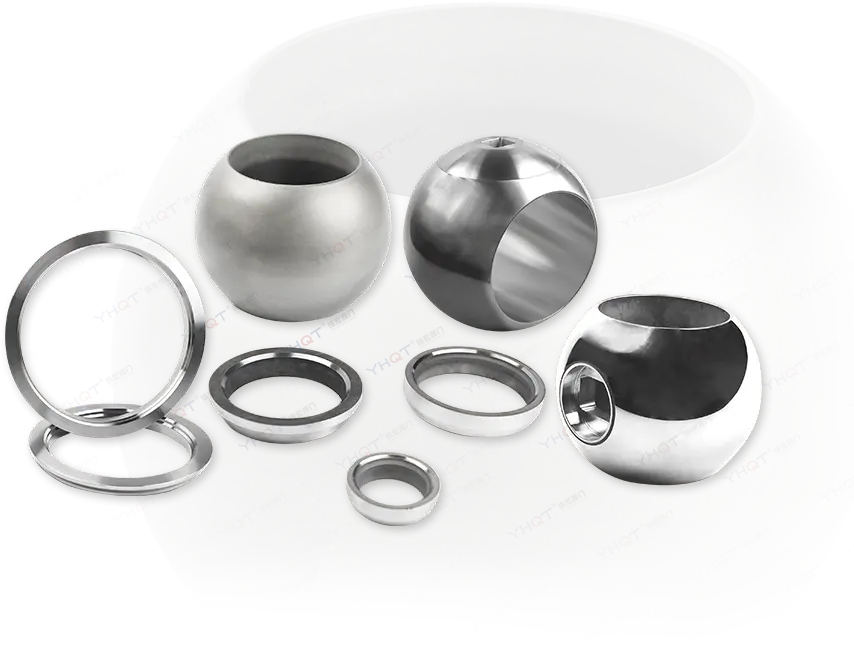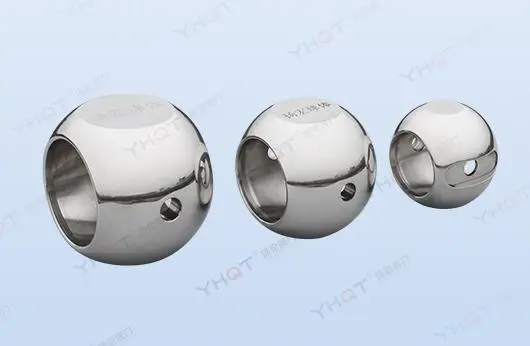
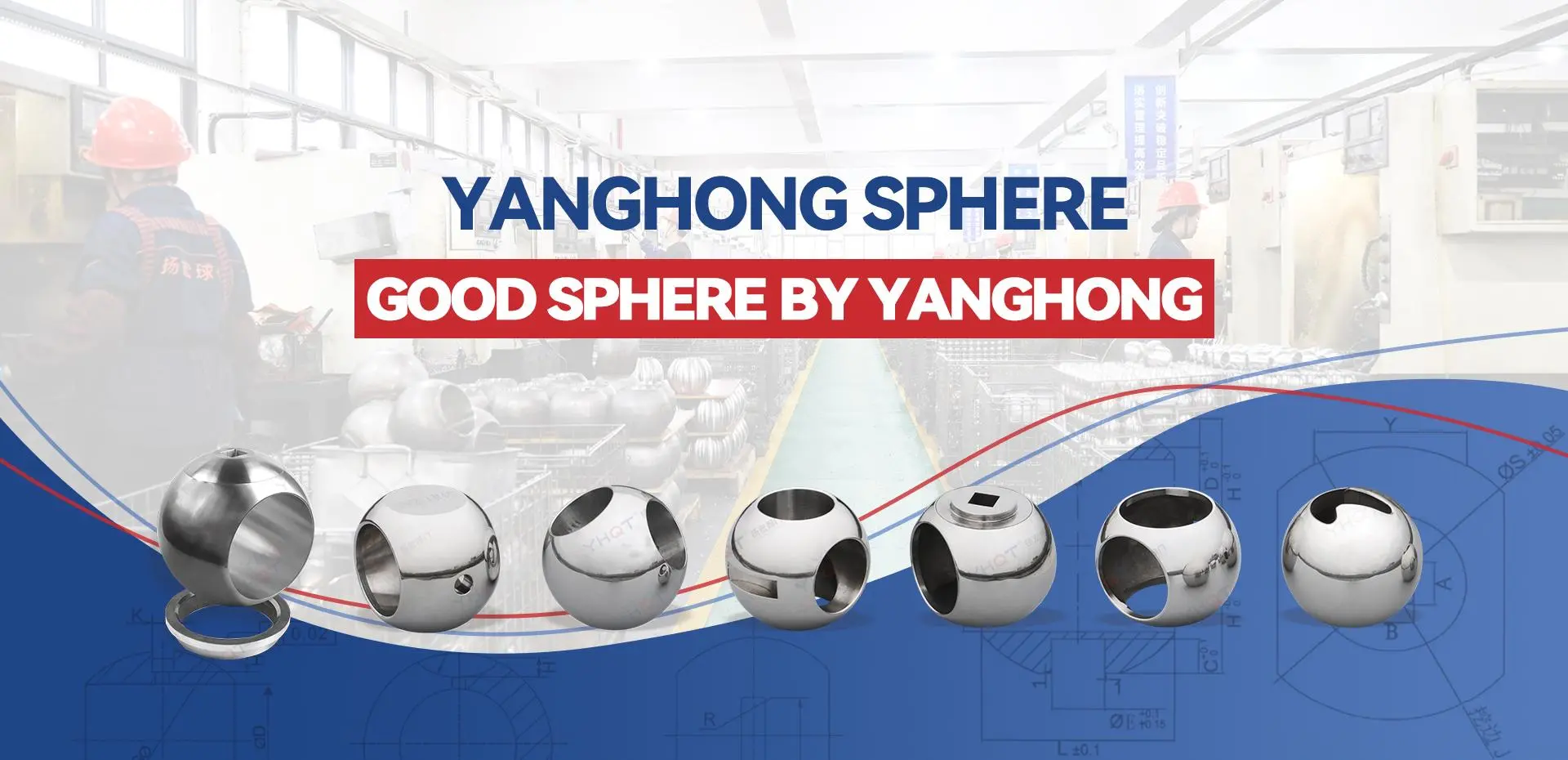
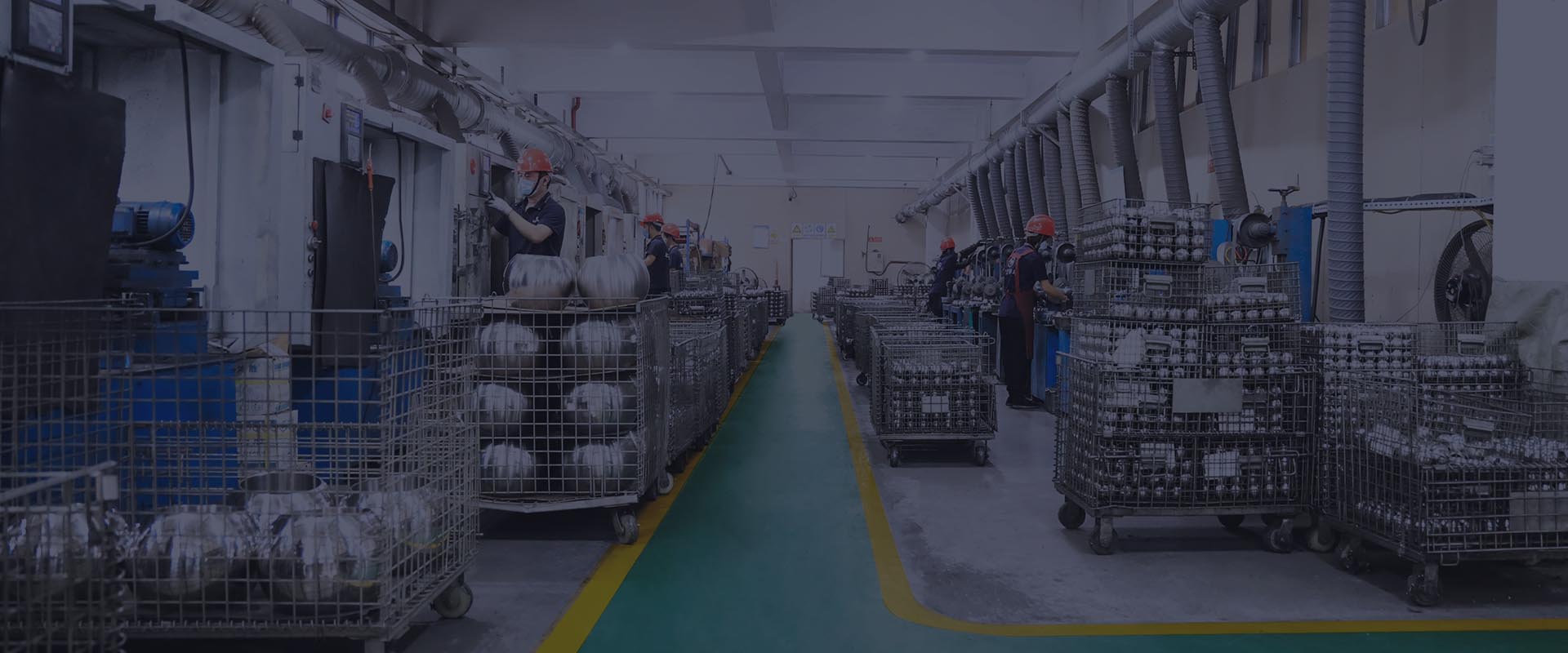
The core reason why stainless steel spheres prevent steel from rusting lies in their unique alloy composition and surface treatment process. By forming a dense oxide film, reducing the contact with corrosive media, and optimizing the surface condition, they achieve long-term anti-corrosion effects. Here is the specific principle and implementation method:
05-13
What should be noted when using valve balls?
When using valve balls, it is necessary to pay comprehensive attention to aspects such as installation, operation, maintenance, medium compatibility and environmental control to ensure their performance and lifespan. The details are as follows:
05-13
What are the methods for forging the blank of the ball valve ball body?
The forging processing methods for the blank of the ball valve body are diverse. They can be classified according to temperature, force, and process characteristics. The details are as follows: I. Classification by Forging Temperature 1. Hot forging

05-13
What are the differences between hot forging and cold forging of the ball valve ball body blank?
The hot forging and cold forging of the blank of the ball valve ball body have significant differences in terms of temperature, equipment requirements, forging performance, process difficulty and applicable scenarios. The specific analysis is as follows: I. Temperature Conditions Hot forging: The blank is heated to
04-22
What is the function and working principle of a gate valve?
A gate valve is a type of valve that controls the flow of fluid by the up-and-down movement of a gate plate (also known as a valve disc). It is widely used in pipeline systems, especially in situations where full opening or full closing is required. Here is a detailed explanation of its function and working principle: I. The main function of the gate valve
04-22
The advantages and maintenance guidelines of the three-way ball valve
I. Core Advantages 1. Flexible switching through multiple channels L-shaped flow channel: Achieves two inputs and one output (such as A→B or A→C), suitable for medium distribution or switching scenarios, such as raw material switching in chemical pipelines. T-shaped flow channel: Supports three-way flow, capable of achieving medium mixing (such as A+B→C), diversion or full on/off. Commonly used in systems requiring dynamic adjustment, such as the mixing of cold and hot water in HVAC systems.
04-22